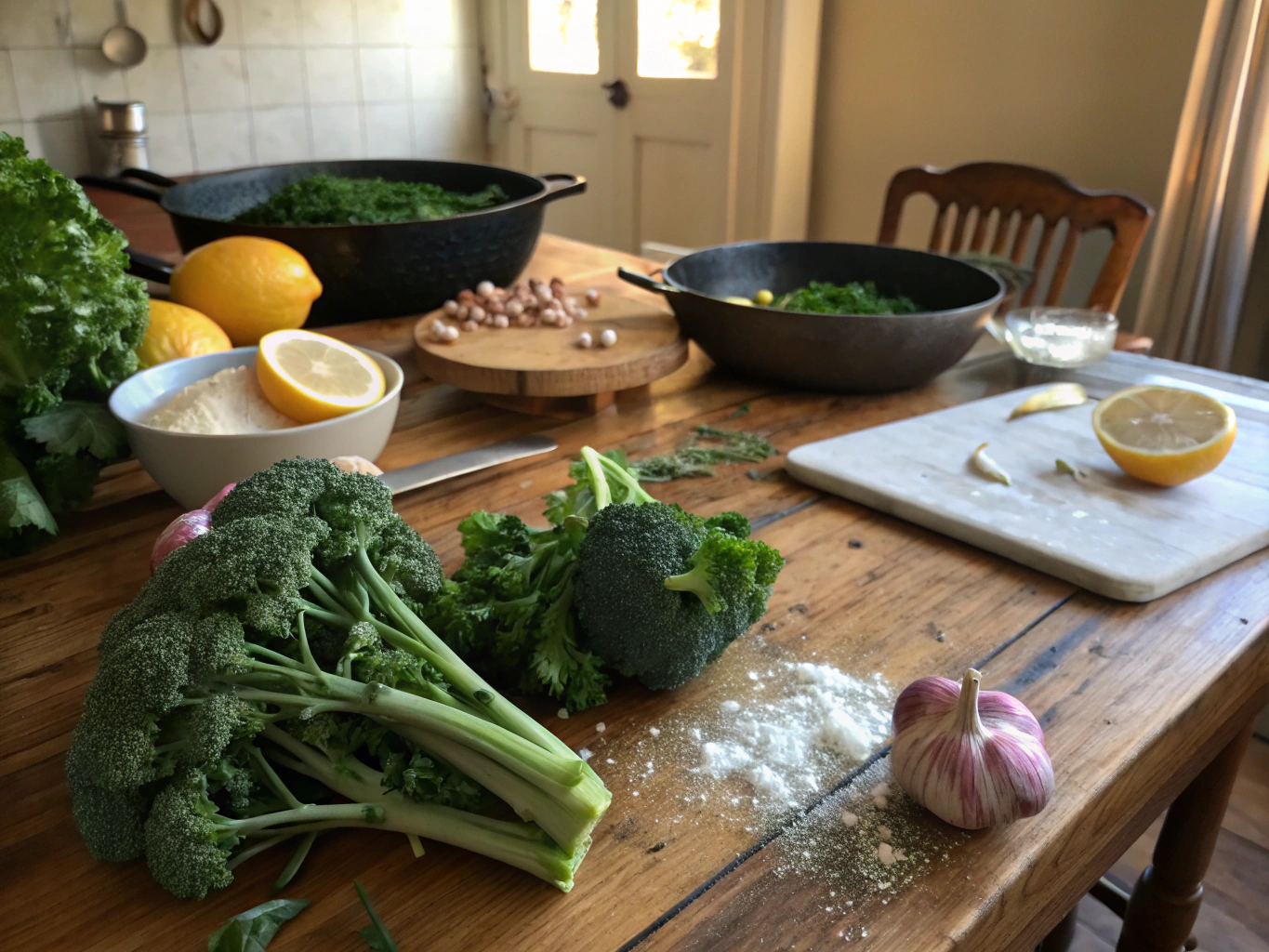
Understanding FODMAPs: Why Some Vegetables Trigger Digestive Issues
Many people experience digestive discomfort after eating certain vegetables, often wondering why these otherwise healthy foods cause bloating, gas, or stomach pain. The answer frequently lies in FODMAPs—short for fermentable oligosaccharides, disaccharides, monosaccharides, and polyols. These are specific types of carbohydrates that can be hard for some individuals to digest properly.
If you’ve been struggling to identify which vegetables might be causing your digestive woes, the ultimate list of low fodmap vegetables by Gourmend Foods offers an excellent resource to help you pinpoint safe options and manage symptoms.
What Are FODMAPs?
FODMAPs are a group of short-chain carbohydrates that are poorly absorbed in the small intestine. When these carbohydrates pass into the large intestine, they ferment, producing gas and attracting water into the bowel. This process can lead to uncomfortable symptoms such as bloating, cramps, diarrhea, and constipation, especially for those with irritable bowel syndrome (IBS) or other digestive sensitivities.
The main categories of FODMAPs include:
- Oligosaccharides: Found in wheat, onions, and garlic.
- Disaccharides: Lactose in milk and dairy products.
- Monosaccharides: Excess fructose found in honey and some fruits.
- Polyols: Sugar alcohols such as sorbitol and mannitol found in some fruits and vegetables.
Why Some Vegetables Are High in FODMAPs
Vegetables like onions, garlic, cauliflower, and asparagus contain high amounts of oligosaccharides and polyols. While these are perfectly nutritious for many people, they can be difficult to digest for individuals sensitive to FODMAPs. When these carbohydrates ferment in the gut, they can cause uncomfortable symptoms.
It’s important to note that the sensitivity to FODMAPs varies widely. Some people may tolerate small amounts of high-FODMAP vegetables, while others might need to avoid them completely to maintain digestive comfort.
Choosing Low FODMAP Vegetables for Better Digestion
Fortunately, many vegetables are naturally low in FODMAPs and can be safely enjoyed by those with digestive sensitivities. Examples include carrots, zucchini, spinach, tomatoes, and cucumbers. Incorporating these into your diet can help maintain nutritional balance without triggering symptoms.
For those looking to modify their diets, consulting the ultimate list of low fodmap vegetables by Gourmend Foods can provide comprehensive guidance on which vegetables to include or avoid.
Tips for Managing FODMAP Intake
- Start Slow: Introduce low FODMAP vegetables gradually to monitor tolerance.
- Keep a Food Diary: Track what you eat and note any digestive symptoms.
- Consult a Professional: Dietitians can help design a balanced low FODMAP diet tailored to your needs.
Understanding FODMAPs can empower you to make informed choices about your vegetable intake and improve your digestive health. By focusing on low FODMAP vegetables and managing your diet carefully, you can enjoy nutritious meals without the discomfort.
Leave a Reply