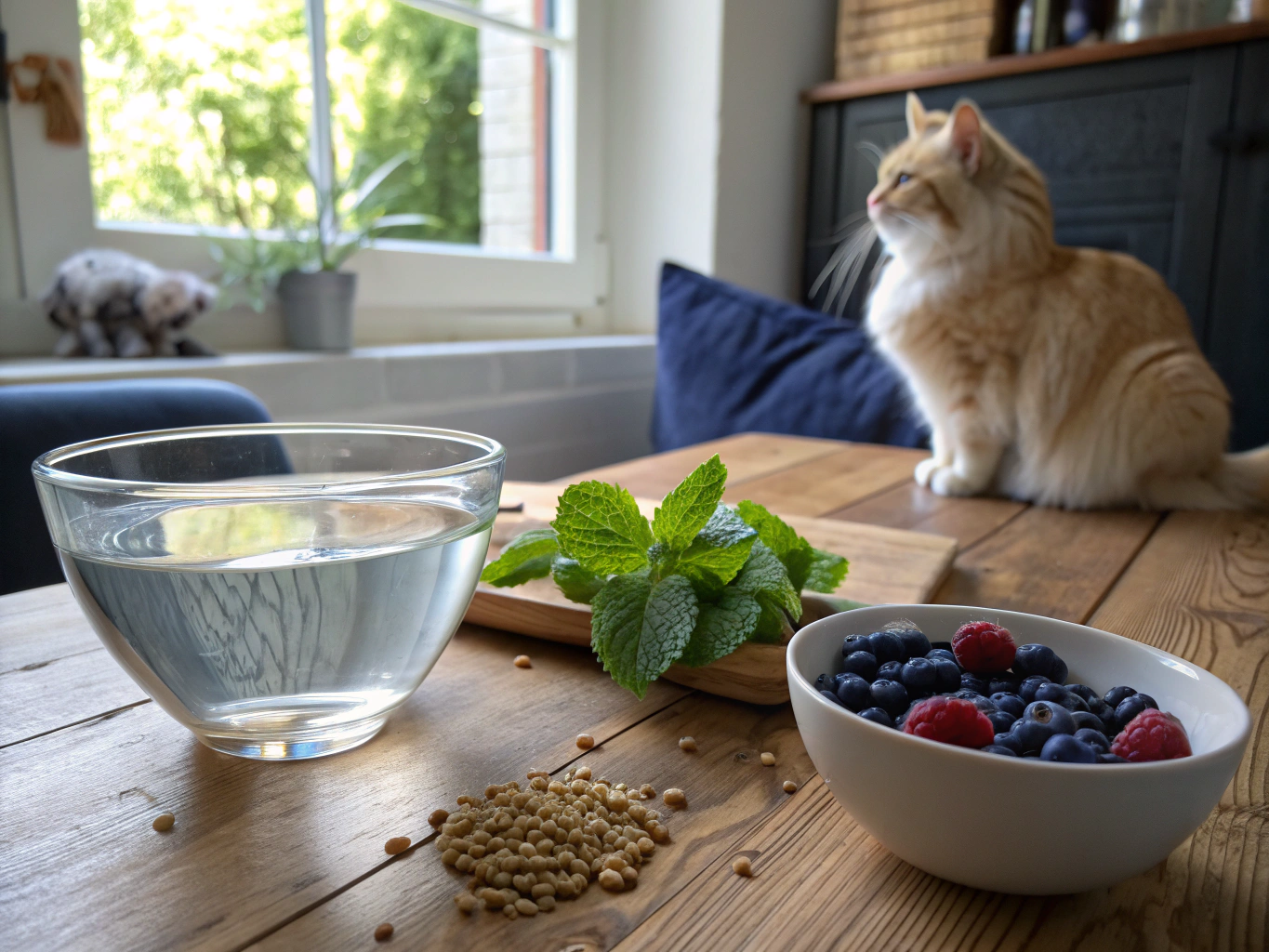
The Role of Hydration in Managing Cat Constipation
Constipation in cats is a common but distressing issue that many pet owners face. Understanding how to help a constipated cat is crucial for ensuring your feline companion’s comfort and health. One of the most effective ways to manage and prevent constipation is through proper hydration. Best Life 4 Pets explains how to help a constipated cat effectively, shedding light on the importance of water intake and other practical tips to ease your cat’s digestive troubles.
Why Hydration Matters for Cat Digestive Health
Cats are notorious for their low thirst drive, often consuming less water than needed to maintain optimal health. Unlike dogs, cats evolved as desert animals and tend to get most of their moisture from their prey. In a domestic setting, especially when fed dry kibble, insufficient water intake can lead to dry, hard stools that are difficult to pass, resulting in constipation.
Proper hydration helps soften the stool, making bowel movements easier and less painful for your cat. Additionally, water supports overall digestive function by aiding in nutrient absorption and maintaining healthy intestinal motility.
Signs Your Cat May Be Constipated
- Straining or vocalizing while trying to defecate
- Decreased appetite or lethargy
- Small, hard, or dry stools
- Frequent trips to the litter box with little to no results
- Abdominal discomfort or bloating
If you notice these signs, it’s important to act promptly. Chronic constipation can lead to more severe complications like megacolon or fecal impaction.
Effective Hydration Strategies to Prevent and Manage Constipation
1. Increase Water Availability
Make fresh water easily accessible throughout your home. Some cats prefer running water, so investing in a pet water fountain can encourage them to drink more. Changing water bowls daily and placing multiple water stations can also stimulate increased water intake.
2. Incorporate Wet Food Into the Diet
Wet or canned cat food contains significantly more moisture than dry kibble. Switching to or supplementing your cat’s diet with wet food naturally boosts hydration and helps prevent constipation.
3. Add Water or Broth to Meals
If your cat is reluctant to eat wet food, try mixing a small amount of water or low-sodium broth into their meals. This adds moisture without drastically changing the texture or flavor.
4. Encourage Play and Exercise
Physical activity promotes healthy digestion and bowel movements. Engaging your cat in regular playtime can stimulate gastrointestinal motility and reduce constipation risk.
5. Consult Your Veterinarian
If constipation persists despite hydration efforts, it’s essential to seek veterinary care. Your vet may recommend dietary adjustments, medications, or other treatments tailored to your cat’s specific needs.
Conclusion
Hydration is a cornerstone in managing and preventing cat constipation. By ensuring your cat drinks enough water and receives moisture-rich food, you can significantly reduce the chances of painful bowel issues. Remember, early recognition and intervention are key to your cat’s digestive health and overall well-being. For more detailed advice, Best Life 4 Pets explains how to help a constipated cat effectively, offering practical tips to keep your feline friend comfortable and healthy.
Leave a Reply