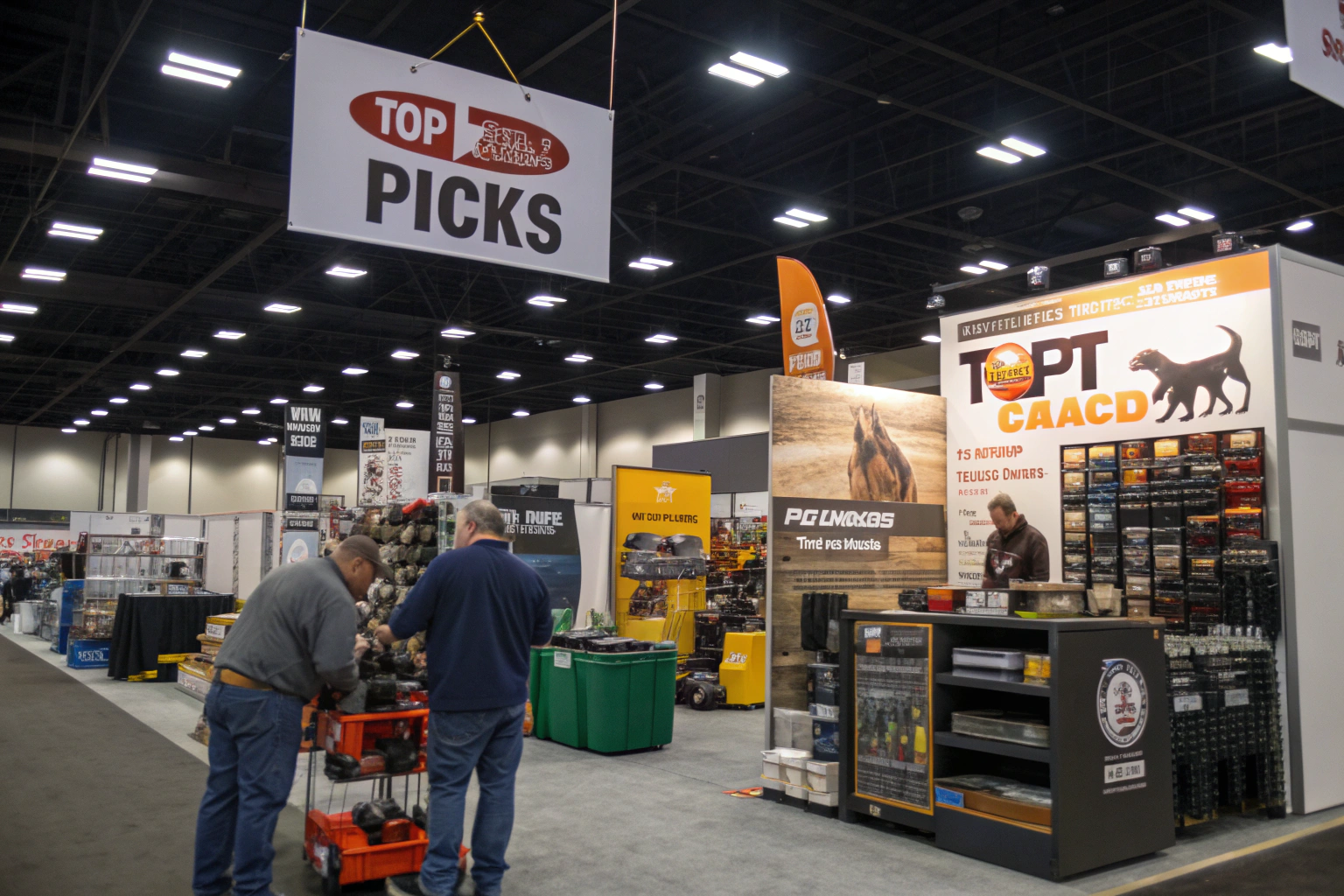
Inside the HDAW Heavy Duty Aftermarket Week: Innovations and Insights
The heavy-duty aftermarket industry recently gathered for the highly anticipated hdaw heavy duty aftermarket week, a week-long event that showcased the latest trends, technologies, and strategies shaping this vital segment of the transportation and logistics sectors. This event brought together manufacturers, distributors, retailers, and industry experts to exchange knowledge, demonstrate cutting-edge products, and discuss the future of heavy-duty parts and services.
For those unfamiliar, the heavy-duty aftermarket serves as the backbone of the trucking and commercial vehicle industry, providing essential replacement parts, maintenance products, and accessories to keep fleets moving and minimize downtime. Understanding the developments in this space is crucial not only for industry insiders but also for businesses and consumers who rely on efficient freight and transportation.
Key Highlights of Heavy Duty Aftermarket Week
Emerging Technologies and Product Innovations
The event featured a robust lineup of new product launches and technology demonstrations designed to enhance vehicle performance and durability. Among these, advanced diagnostics tools, improved filtration systems, and more durable brake components were prominent. These innovations aim to extend the service life of heavy-duty vehicles and improve safety on the road.
One notable trend is the integration of smart technology into traditional parts, such as sensors embedded in brake pads or filters that can communicate real-time data about wear and tear. This connectivity allows fleet managers to predict maintenance needs more accurately and avoid costly breakdowns.
Supply Chain Resilience and Distribution Strategies
Supply chain challenges have been a persistent hurdle for the aftermarket industry, and this year’s event put a spotlight on strategies to enhance resilience. Panel discussions emphasized the importance of diversified sourcing, stronger supplier relationships, and leveraging digital platforms for inventory management and order fulfillment.
Distributors also shared success stories about adopting e-commerce solutions and direct-to-consumer models, which not only streamline operations but also expand market reach. These strategies are especially important as the industry adapts to fluctuating demand and shipping constraints.
Training and Workforce Development
Recognizing the critical role of skilled labor, the heavy-duty aftermarket week featured workshops focused on workforce training and education. With the increasing complexity of vehicle systems, technicians must continually update their skills to stay ahead.
Manufacturers and training organizations presented new programs aimed at upskilling workers, including certifications on the latest diagnostic equipment and repair techniques. Investing in workforce development ensures that the industry can maintain high standards of service quality and safety.
The Future Outlook for the Heavy-Duty Aftermarket
Environmental Sustainability Drives Change
Environmental considerations are becoming central to the aftermarket’s evolution. The event highlighted efforts to develop eco-friendly parts and promote sustainable business practices. From recyclable packaging to components compatible with alternative fuel vehicles, the industry is aligning with broader environmental goals.
This shift not only helps reduce the carbon footprint of heavy-duty vehicles but also positions aftermarket companies as responsible partners in the transportation ecosystem.
Collaboration and Industry Growth
Perhaps one of the most encouraging takeaways from the heavy-duty aftermarket week was the spirit of collaboration that permeated the event. Industry players expressed a shared commitment to innovation, customer service, and growth through partnerships and knowledge sharing.
As fleets expand and technology advances, the aftermarket will continue to play a pivotal role in supporting the trucking industry’s efficiency and reliability.
Conclusion
The hdaw heavy duty aftermarket week proved to be an invaluable platform for unveiling new products, discussing strategic challenges, and preparing the workforce for the future. For anyone connected to heavy-duty vehicles—whether as operators, suppliers, or service providers—staying informed about these developments is essential.
By embracing innovation, strengthening supply chains, and committing to sustainability, the heavy-duty aftermarket industry is well-positioned to meet the demands of a rapidly changing transportation landscape. The insights and connections forged during this event will undoubtedly drive continued progress and success in the years ahead.
Leave a Reply