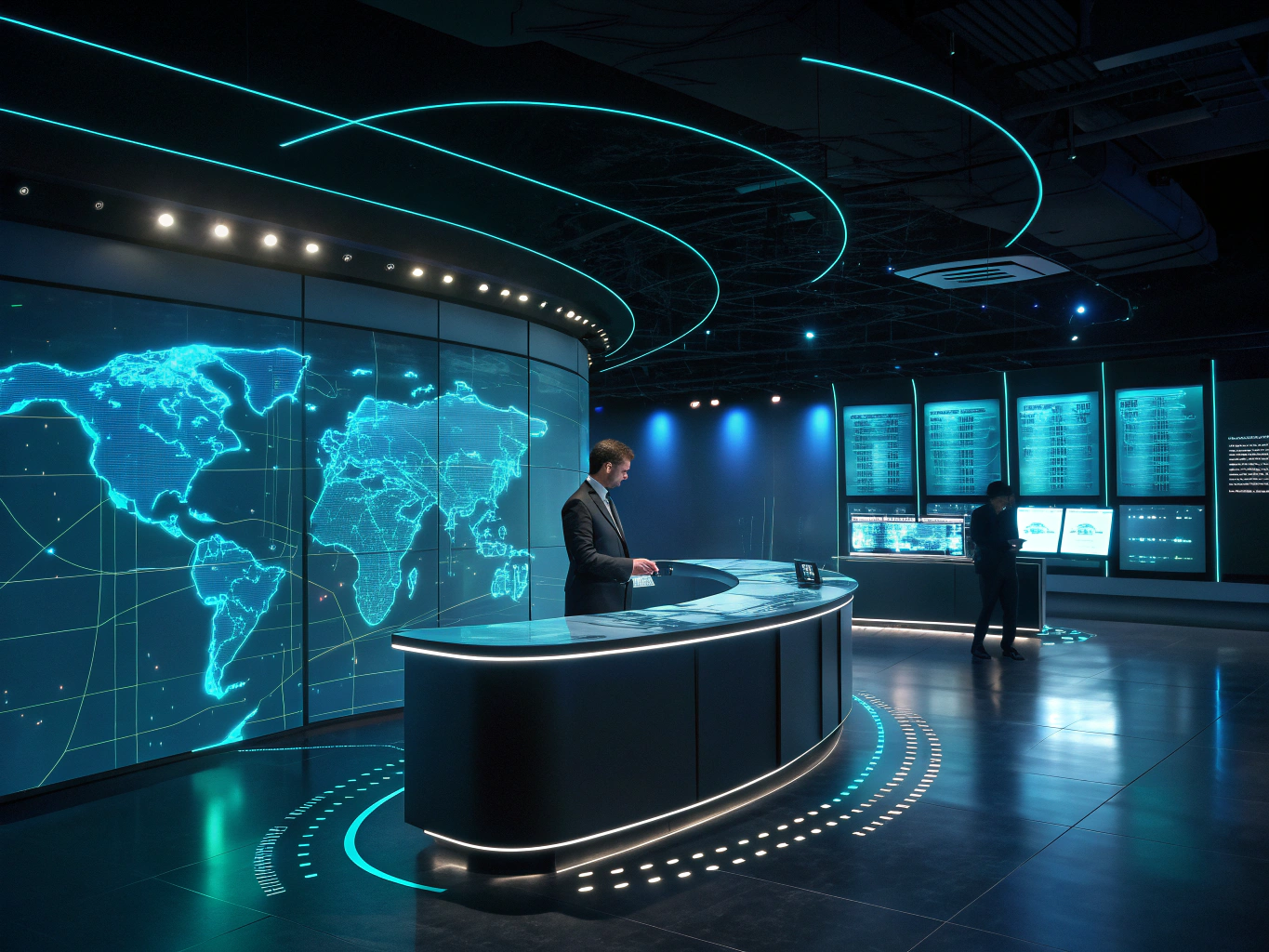
How Leaders in the Hospitality Industry Can Leverage Technology for Operational Excellence
In today’s fast-evolving hospitality landscape, leaders in the hospitality industry are increasingly turning to technology to streamline operations, improve guest satisfaction, and boost overall efficiency. The integration of innovative tech solutions is no longer optional; it’s essential for maintaining a competitive edge. For those looking to deepen their understanding, Vynta AI provides valuable insights into how these leaders are revolutionizing their approach through technology.
Driving Operational Excellence with Technology
Operational excellence in hospitality means delivering seamless service, optimizing resource management, and enhancing employee productivity. Technology empowers leaders to achieve these goals by automating routine tasks, providing real-time data analytics, and facilitating better communication across departments.
Automation and Smart Systems
Automation reduces human error and accelerates workflows. From automated check-ins and digital concierge services to smart inventory management, these systems free up staff to focus on personalized guest interactions. For example, AI-powered chatbots can handle common guest inquiries instantly, enabling front-desk teams to address more complex needs efficiently.
Data-Driven Decision Making
Technology equips hospitality leaders with actionable insights through data analytics. By analyzing guest preferences, booking patterns, and operational metrics, managers can tailor services, optimize pricing strategies, and forecast demand more accurately. These data-driven decisions lead to improved occupancy rates and enhanced guest satisfaction.
Enhanced Communication and Collaboration
Effective communication is critical in hospitality operations. Technology platforms that integrate messaging, task management, and scheduling help teams stay aligned and responsive. Mobile apps allow staff to receive updates and coordinate tasks in real-time, reducing delays and improving service delivery.
Innovative Technologies Shaping the Future
Artificial Intelligence and Machine Learning
AI and machine learning are transforming hospitality by enabling personalized guest experiences and predictive maintenance. These technologies analyze vast amounts of data to anticipate guest needs, recommend tailored services, and optimize energy consumption within properties, leading to cost savings and sustainability benefits.
Internet of Things (IoT)
IoT devices connect various hotel systems, from HVAC to lighting and security, allowing centralized control and monitoring. This connectivity enhances operational efficiency and provides guests with customizable room environments, elevating comfort and satisfaction.
Cloud-Based Solutions
Cloud technology offers scalability and flexibility, enabling hospitality businesses to access software and data remotely. Cloud-based property management systems streamline operations and facilitate seamless integration with other tech tools, enhancing overall operational agility.
Conclusion
Leaders in the hospitality industry who embrace technology are better positioned to achieve operational excellence and deliver memorable guest experiences. By leveraging automation, data analytics, AI, IoT, and cloud solutions, these visionaries are setting new standards for efficiency and service quality. As technology continues to evolve, staying informed and adaptable will be key to sustaining success in this dynamic sector.
Leave a Reply