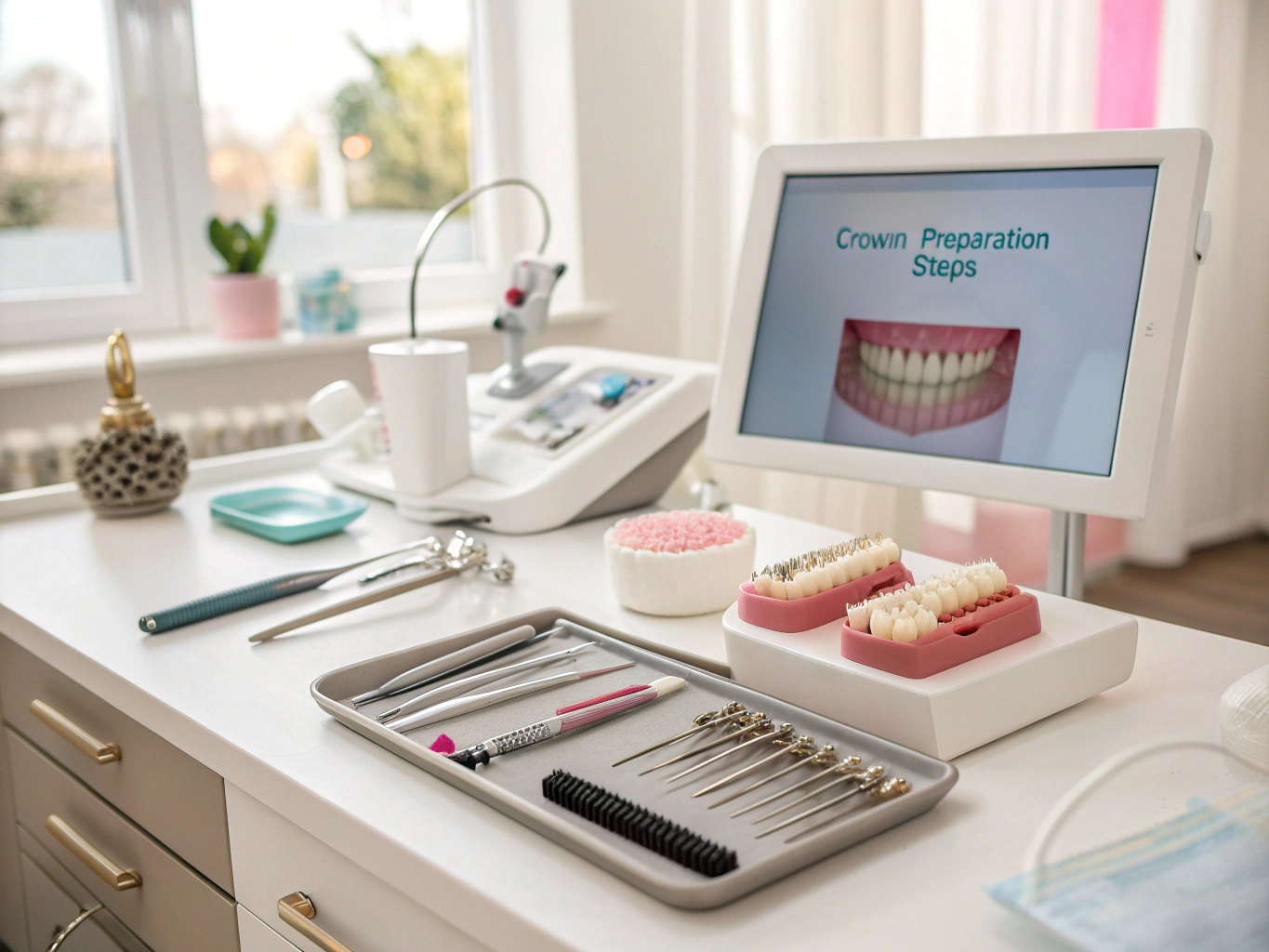
Preparing a Tooth for a Crown: Tips for Dental Professionals
Tooth preparation is a critical step in restorative dentistry, directly impacting the success and longevity of dental crowns. Achieving an ideal crown prep requires precision, attention to detail, and a thorough understanding of both biological and mechanical principles. For dental professionals looking to refine their techniques, resources like Dominate Dental crown prep offer valuable insights into mastering this essential procedure.
Understanding the Fundamentals of Crown Preparation
The goal of crown preparation is to reshape the tooth structure to accommodate a crown while preserving as much healthy tooth as possible. Proper crown prep ensures sufficient retention, resistance, and space for restorative material without compromising the pulp or periodontal tissues.
Key Objectives in Tooth Preparation
- Retention and Resistance: Reducing the tooth to allow the crown to stay firmly in place against dislodging forces.
- Structural Integrity: Maintaining enough tooth structure to support the crown and prevent fracture.
- Biological Considerations: Avoiding damage to the pulp and maintaining healthy gingival margins.
- Occlusal Clearance: Ensuring adequate space to accommodate crown thickness and materials.
Step-by-Step Guide for Effective Crown Preparation
1. Pre-Operative Assessment
Begin with comprehensive diagnostics, including radiographs and clinical examination. Evaluate the tooth’s vitality, presence of caries, and periodontal status. Planning should also consider the type of crown material to be used, as this impacts the amount of reduction required.
2. Isolation and Anesthesia
Effective isolation is crucial to maintain a dry field and prevent contamination. Administer local anesthesia to ensure patient comfort throughout the procedure.
3. Tooth Reduction
Using appropriate burs, start by reducing the occlusal surface to create space for the crown thickness, typically 1.5-2 mm depending on material choice. Next, reduce axial walls uniformly, usually by 1.0-1.5 mm, to allow for adequate crown thickness without over-reducing.
4. Margin Design
Establish a clear, well-defined margin. Common margin designs include chamfer, shoulder, and beveled shoulder. The choice depends on the crown type and esthetic requirements. Ensure the margin is smooth and continuous to facilitate accurate impression taking and crown seating.
5. Taper and Finish Line
Maintain an ideal taper of 6-10 degrees for retention and ease of crown placement. Avoid excessive tapering which compromises retention. Finish lines should be smooth and clear to avoid discrepancies in the crown fit.
6. Impression and Temporization
After preparation, take a precise impression to capture all details. Fabricate a temporary crown to protect the prepared tooth and maintain occlusion while the final crown is being fabricated.
Tips to Enhance Crown Prep Outcomes
- Use magnification: Loupes or microscopes can improve visualization and precision.
- Maintain steady hand control: Practice to reduce vibration and improve margin smoothness.
- Avoid over-preparation: Preserve tooth vitality by minimizing unnecessary reduction.
- Check occlusion frequently: Prevent occlusal interferences that could compromise crown fit.
- Communicate with the lab: Detailed instructions and clear impressions lead to better restorations.
Preparing a tooth for a crown demands a blend of clinical skill and scientific knowledge. By adhering to best practices and continually refining technique, dental professionals can ensure durable, well-fitting crowns that restore function and esthetics. For an in-depth guide and expert resources on crown prep, explore Dominate Dental crown prep to elevate your restorative dentistry practice.
Leave a Reply