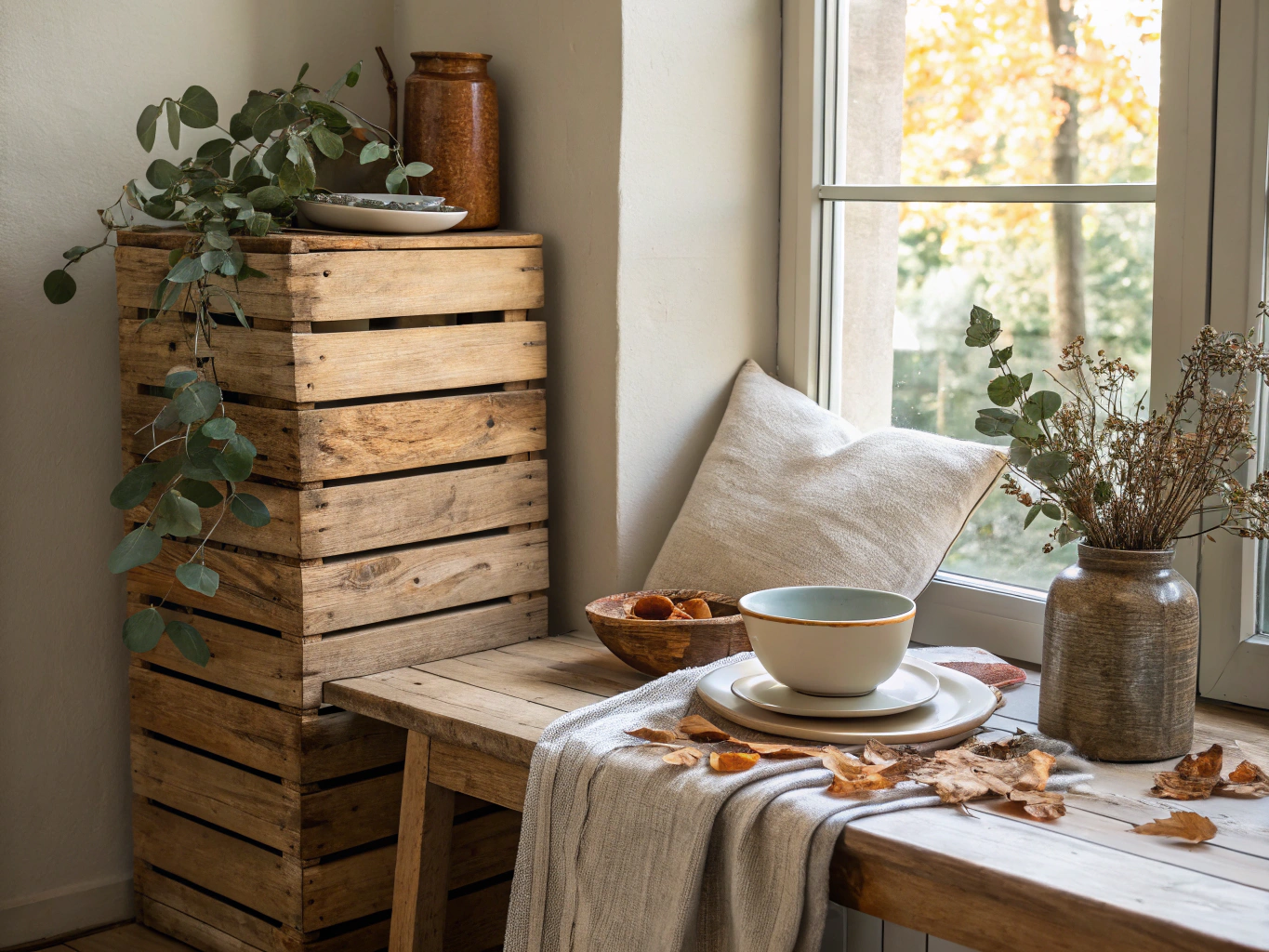
Comparing Slatted Shelves vs Solid Shelves: Which is Better?
When it comes to choosing the right shelving for your home or office, the decision often boils down to two popular options: slatted shelves and solid shelves. Each style offers unique benefits and drawbacks, making it essential to understand how they perform in different environments. If you’re exploring wooden options, Roomix provides an excellent selection of wooden slatted shelves that marry functionality with style.
Understanding Slatted Shelves
Slatted shelves feature a design composed of evenly spaced wooden slats rather than a continuous solid surface. This construction allows air to circulate freely, which can be particularly advantageous in certain settings. For example, slatted shelves are commonly used in areas where ventilation is crucial, such as in kitchens, pantries, or even pet enclosures.
Advantages of Slatted Shelves
- Improved Airflow: The gaps between slats promote ventilation, reducing moisture build-up and preventing mold or mildew, especially in humid environments.
- Lighter Weight: Due to less material, slatted shelves tend to be lighter and easier to move or install.
- Visual Appeal: The open design offers a modern, airy aesthetic that can make spaces feel less cluttered.
- Easy Cleaning: Dust and debris don’t accumulate as heavily on slatted surfaces, and spills can drip through, making maintenance straightforward.
Disadvantages of Slatted Shelves
- Smaller Item Stability: Items with small bases or irregular shapes may tip or fall through the gaps.
- Limited Surface Area: The open design means less continuous support, which can be a challenge for delicate or flat items.
Exploring Solid Shelves
Solid shelves are constructed from a continuous piece of wood or board, offering a flat and uninterrupted surface. This traditional shelving style is highly versatile and widely used in homes, offices, and retail spaces.
Advantages of Solid Shelves
- Stable Surface: Provides a uniform area that can securely hold all types of items, from books to decorative pieces.
- Supports Heavy Loads: Solid shelves are generally stronger and better suited for heavier objects.
- Protection from Dust and Debris: Since there are no gaps, items are less exposed to dust falling through from above shelves.
Disadvantages of Solid Shelves
- Limited Airflow: The solid surface can trap moisture underneath items, potentially causing damage or promoting mold in damp environments.
- Heavier and Bulkier: Solid shelves typically weigh more, making installation and repositioning more labor-intensive.
- Cleaning Challenges: Dust tends to accumulate on the surface, requiring regular wiping.
Which Shelf Type is Right for You?
The choice between slatted and solid shelves largely depends on your specific needs and the environment where the shelves will be placed. If ventilation and a lightweight design are priorities—such as in humid spaces, bathrooms, or pet areas—slatted shelves, like those offered by Roomix, are an excellent choice. Their open design helps keep items dry and fresh while adding a stylish touch.
On the other hand, if you need a sturdy, stable surface for heavy or delicate items, solid shelves provide the reliability and support necessary. They’re ideal for bookcases, office storage, or display shelves where stability is key.
Ultimately, both slatted and solid shelves have their place in home and commercial settings, and understanding their pros and cons will help you make an informed decision that complements your space and lifestyle.
Leave a Reply