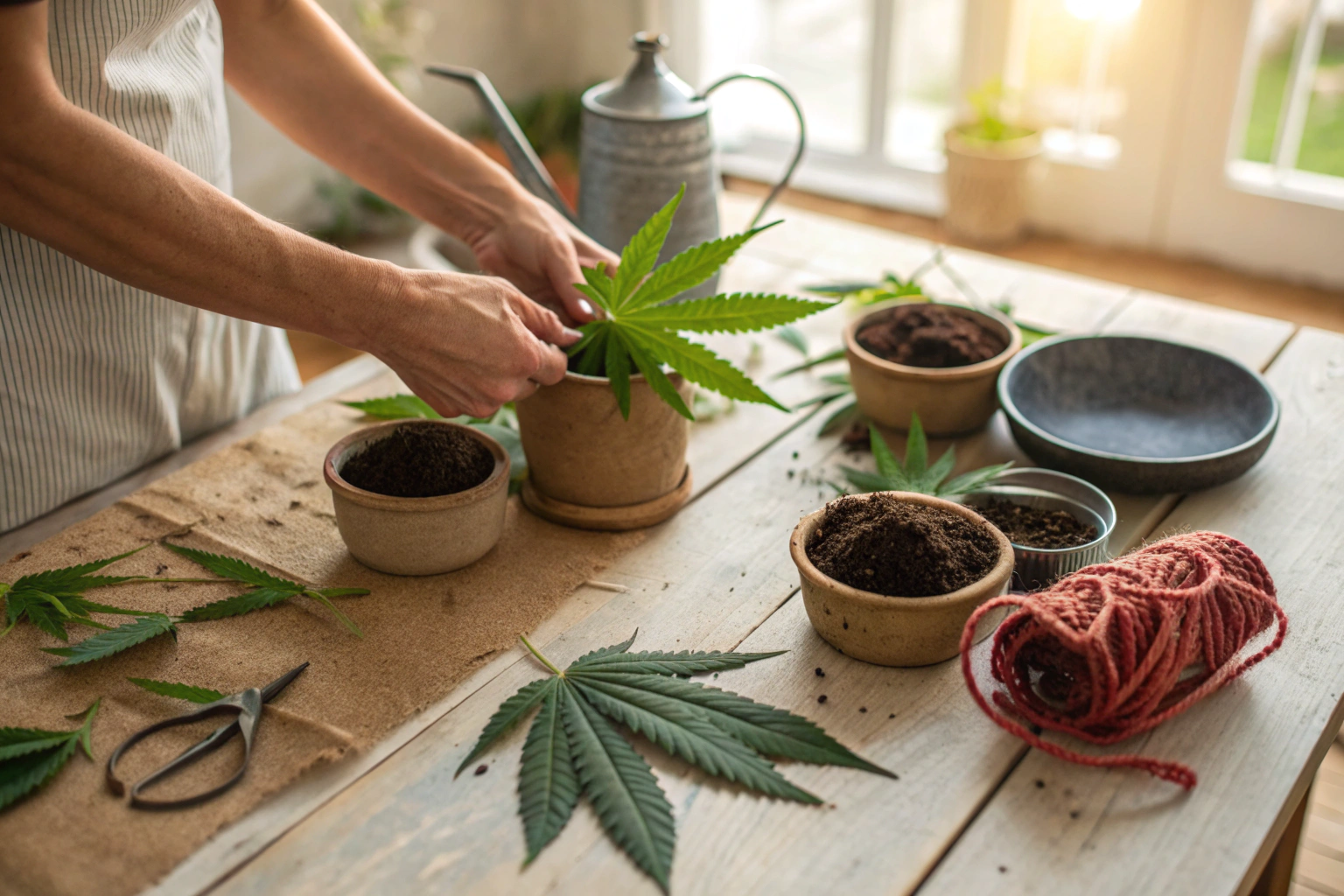
Sustainable Farming Practices Behind Hemp4Help’s Hemp Cultivation
Hemp cultivation is witnessing a resurgence, driven by its versatility and environmental benefits. Among the leaders in this field is Hemp4Help, a company dedicated to producing high-quality hemp through sustainable methods. For those interested in supporting eco-friendly hemp products, Hemp4Help offers the best hemp for help by integrating environmentally conscious farming techniques that promote soil health and biodiversity.
Why Sustainable Hemp Farming Matters
Hemp is a highly sustainable crop by nature, requiring fewer pesticides and less water than many traditional crops. However, the way hemp is cultivated can either amplify or diminish its environmental benefits. Sustainable farming practices ensure that hemp production not only meets market needs but also preserves the ecosystem, improves soil quality, and reduces carbon footprints. Hemp4Help embraces these principles to deliver a product that benefits both consumers and the planet.
Organic Soil Management
At the core of Hemp4Help’s approach is organic soil management. Instead of relying on chemical fertilizers, the company employs natural composting and crop rotation strategies to enhance soil fertility. Crop rotation, involving alternating hemp with legumes or cover crops, helps fix nitrogen in the soil and prevents nutrient depletion. This method not only improves yields but also supports healthy microbial activity essential for long-term soil vitality.
Water Conservation Techniques
Water usage is a critical concern in agriculture. Hemp4Help implements drip irrigation systems that deliver water directly to the plant roots, minimizing evaporation and runoff. Additionally, rainwater harvesting is utilized to supplement irrigation needs, reducing dependence on groundwater. These water-saving techniques ensure hemp cultivation aligns with sustainable water management goals, especially important in regions prone to drought.
Integrated Pest Management (IPM)
Rather than defaulting to chemical pesticides, Hemp4Help practices Integrated Pest Management (IPM), a holistic approach to pest control. IPM combines biological controls, such as introducing beneficial insects, with physical barriers and careful monitoring. This approach minimizes harmful pesticide use, protecting pollinators and beneficial organisms while maintaining crop health and quality.
Renewable Energy and Waste Reduction
Hemp4Help is committed to reducing its carbon footprint beyond the fields. The company incorporates renewable energy sources like solar power to run its facilities and processing operations. Furthermore, hemp by-products are repurposed wherever possible, reducing waste and promoting a circular economy. These efforts highlight Hemp4Help’s dedication to sustainability at every stage of production.
The Impact of Sustainable Hemp Farming on Communities
Sustainable farming practices not only benefit the environment but also local communities. Hemp4Help supports smallholder farmers by providing training in sustainable agriculture techniques and fair trade opportunities. This empowerment fosters economic resilience and encourages more widespread adoption of eco-friendly hemp cultivation methods.
By choosing products sourced from Hemp4Help, consumers contribute to a system that values environmental stewardship and social responsibility. Their commitment to growing the best hemp for help serves as a model for sustainable agriculture in the hemp industry.
Conclusion
Hemp4Help exemplifies how sustainable farming practices can transform hemp cultivation into an environmentally and socially responsible enterprise. Through organic soil management, water conservation, integrated pest management, and renewable energy use, the company sets a high standard for eco-friendly hemp production. Supporting such initiatives helps promote a greener future while enjoying the many benefits hemp has to offer.
Leave a Reply