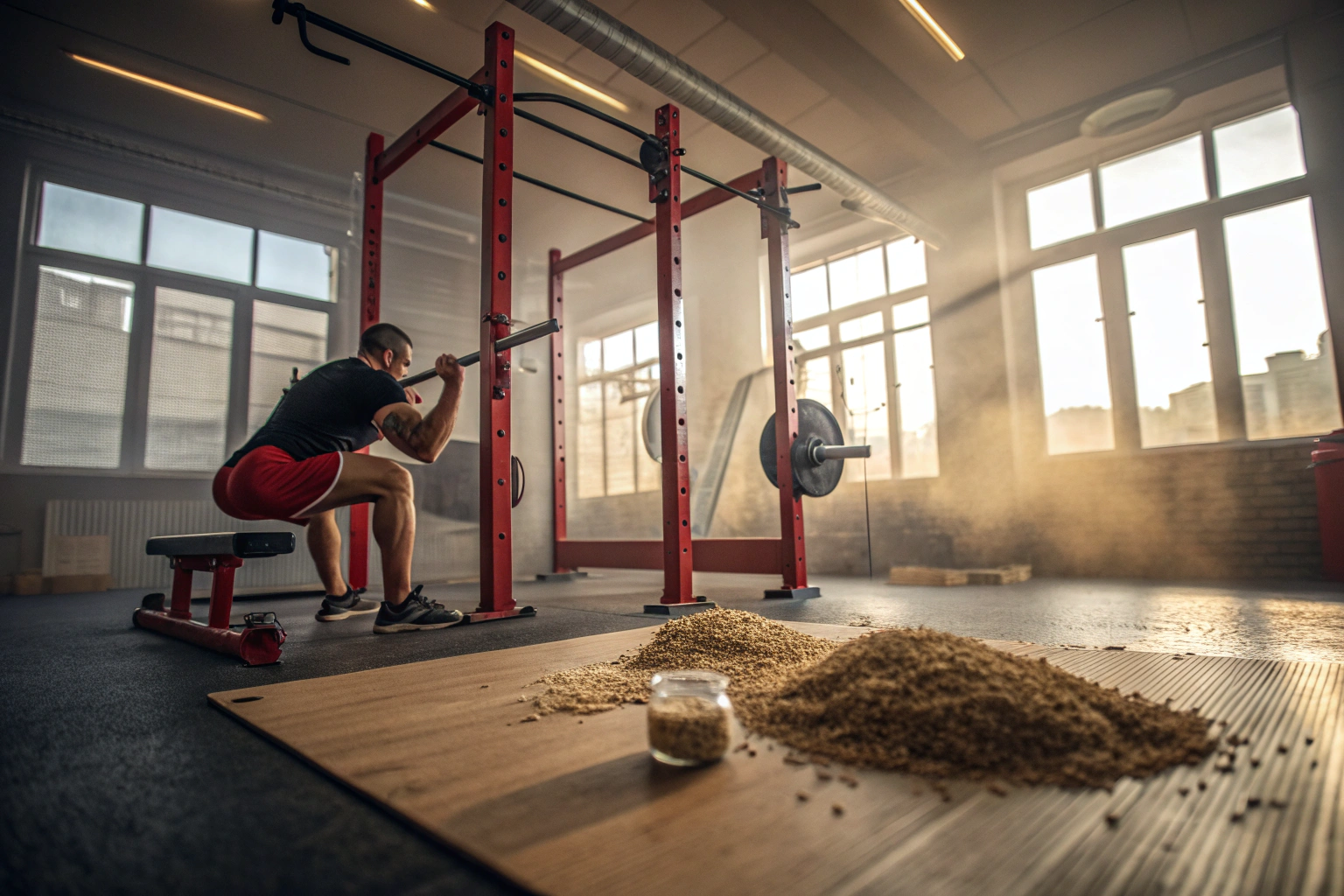
Understanding the Ingredients Used in Protein Powder Manufacturing
Protein powders have become a staple supplement for fitness enthusiasts, athletes, and those looking to boost their daily protein intake. But have you ever wondered how are protein powder made and what exactly goes into their creation? The manufacturing process involves a combination of raw ingredients and precise techniques designed to deliver a high-quality protein supplement. For an intriguing read on unconventional protein sources, check out Rip Toned Fitness how are protein powder made.
The Primary Protein Sources
The foundation of any protein powder is its protein source. The most common types include:
Whey Protein
Derived from milk during the cheese-making process, whey protein is a complete protein containing all nine essential amino acids. It is highly bioavailable, meaning the body absorbs it efficiently, making it a popular choice among athletes.
Casein Protein
Also sourced from milk, casein is absorbed more slowly than whey, providing a sustained release of amino acids. This makes it ideal for nighttime use or prolonged periods without food.
Plant-Based Proteins
For those seeking vegan options, plant-based proteins such as pea, rice, hemp, and soy are widely used. These proteins are often combined to ensure a complete amino acid profile.
Additional Ingredients in Protein Powder Manufacturing
Beyond the protein source, manufacturers add several ingredients to enhance flavor, texture, and nutritional value. Understanding these can help consumers make informed choices.
Flavorings and Sweeteners
To improve taste, protein powders often include natural or artificial flavorings such as cocoa, vanilla, or fruit extracts. Sweeteners like stevia, sucralose, or sugar alcohols can also be added to balance bitterness.
Thickeners and Emulsifiers
To achieve a smooth texture, ingredients like xanthan gum, guar gum, or lecithin are incorporated. These help powders mix well with liquids and prevent clumping.
Vitamins and Minerals
Some protein powders are fortified with additional micronutrients to support overall health, including calcium, iron, and B vitamins.
The Manufacturing Process: From Raw Ingredients to Powder
The journey from raw protein to the final powder involves several key steps.
Extraction and Filtration
For animal-based proteins like whey and casein, milk undergoes processes such as ultrafiltration to separate protein from fats and lactose. Plant proteins are extracted using water or solvents followed by drying.
Drying and Milling
The extracted protein liquid is then dried, typically through spray drying, to create a fine powder. This powder is milled to ensure consistency.
Blending and Packaging
The protein powder is blended with other ingredients such as flavors and sweeteners, then packaged under strict quality controls to ensure purity and safety.
Final Thoughts
Understanding the ingredients and manufacturing methods behind protein powders can empower you to select a product that aligns with your dietary needs and preferences. Whether you prefer traditional whey or innovative plant-based blends, knowing the details helps you make smarter supplementation choices.
Curious about some of the more unconventional protein sources being explored today? Don’t miss the fascinating insights shared at Rip Toned Fitness how are protein powder made for a deeper dive into the subject.
Leave a Reply